Trump's Maximum Pressure: A Failed Strategy for an Iran Deal?
In the intricate tapestry of international diplomacy, few threads have proven as contentious and complex as the relationship between the United States and Iran. At the heart of this dynamic lies the fate of Iran's nuclear program, a concern that has driven decades of geopolitical maneuvering. Donald Trump's presidency marked a pivotal, and often turbulent, chapter in this saga, characterized by his administration's "maximum pressure" campaign. This strategy, initiated with the unilateral withdrawal from the Joint Comprehensive Plan of Action (JCPOA), commonly known as the Iran nuclear deal, aimed to force Tehran to the negotiating table for a "better" agreement. But as the dust settles, a critical question emerges: was "maximum pressure" a failed strategy for securing a lasting trump iran deal?
The original Iran nuclear deal, forged through years of painstaking negotiations between Iran and the P5+1 (China, France, Germany, Russia, the United Kingdom, and the United States), represented a landmark diplomatic achievement. It offered Iran significant relief from crippling economic sanctions in exchange for stringent limitations on its nuclear program, verified by robust international inspections. Trump, however, denounced the deal as "horrible" and "one-sided," arguing it didn't adequately address Iran's ballistic missile program or its regional malign influence. His decision in 2018 to pull the U.S. out of the agreement set the stage for an unprecedented era of confrontation.
The Genesis of Maximum Pressure: A Bold Reversal
When Donald Trump announced the U.S. withdrawal from the JCPOA, he did so with the conviction that the existing agreement was fundamentally flawed and provided Iran with too many concessions. His administration immediately re-imposed and then aggressively expanded sanctions on Iran, targeting vital sectors such as oil, banking, and shipping. This policy, dubbed "maximum pressure," was designed to cripple the Iranian economy, create domestic instability, and ultimately compel the Iranian leadership to negotiate a new, more comprehensive agreement that would address all of America's concerns. The stated goal was not regime change, but rather a change in regime behavior, particularly regarding its nuclear ambitions and regional actions.
Proponents of maximum pressure believed that Iran, under severe economic duress, would have no choice but to capitulate to U.S. demands. They argued that the JCPOA had merely delayed Iran's path to a nuclear weapon and empowered a hostile regime. By withdrawing, they sought to regain leverage and dictate terms for a deal that, in their view, would genuinely prevent Iran from ever developing a nuclear weapon, not just for a limited period. This bold reversal alienated key U.S. allies, who largely remained committed to the JCPOA, but Trump's team pressed ahead, convinced of the strategy's efficacy.
Unintended Consequences and Escalating Tensions
Far from bringing Iran back to the negotiating table on U.S. terms, the maximum pressure campaign largely led to a dangerous escalation of tensions and a strategic miscalculation. Iran, rather than succumbing to pressure, responded with a gradual rollback of its commitments under the JCPOA. It began to enrich uranium to higher purities and accumulate larger stockpiles, far exceeding the limits set by the original deal. This move, designed to signal its displeasure and demonstrate its leverage, ironically brought Iran closer to nuclear breakout capability than it had been under the JCPOA.
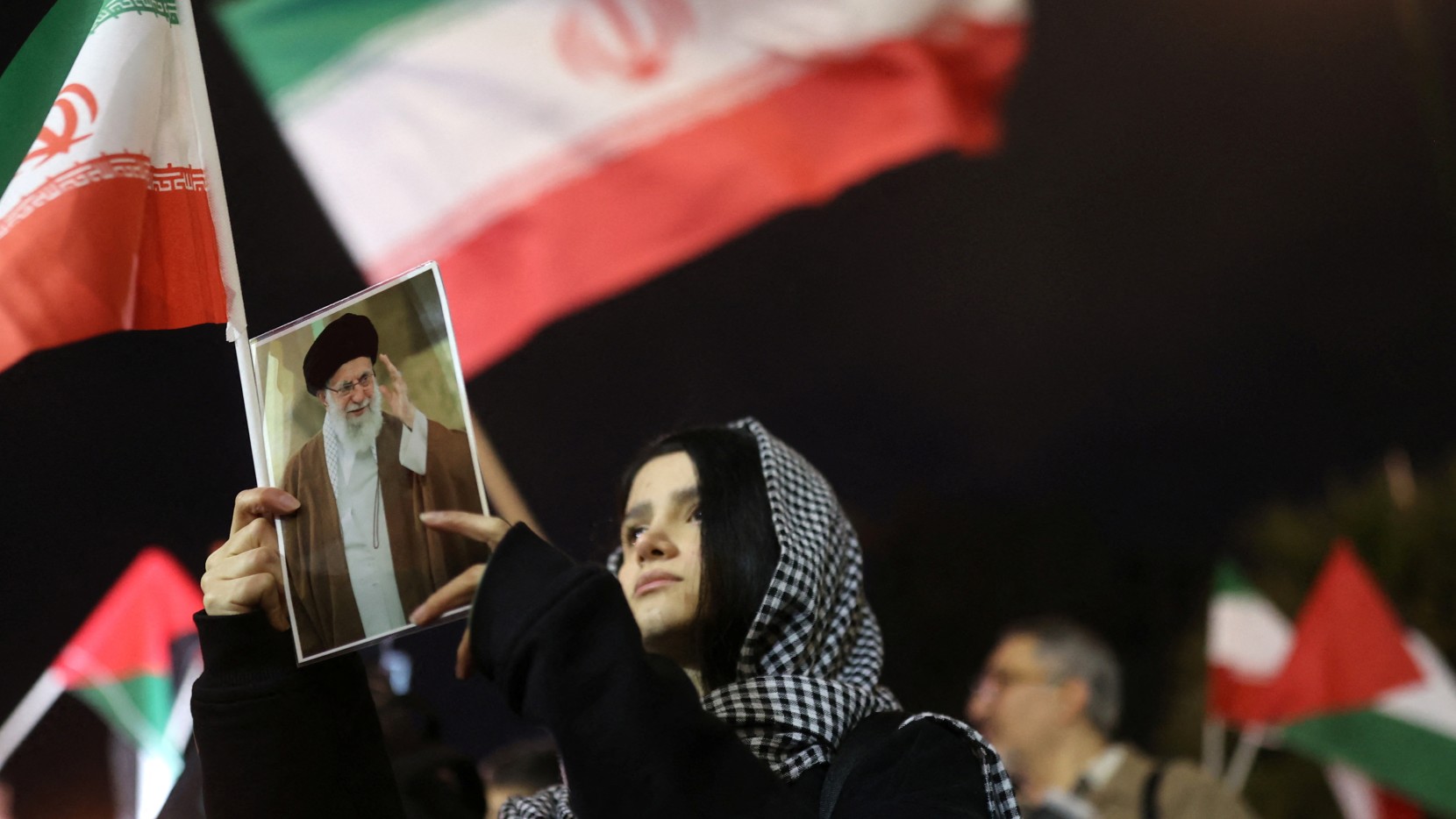
The region, already volatile, became even more unstable. There were attacks on oil tankers in the Strait of Hormuz, drone strikes on Saudi oil facilities (which the U.S. blamed on Iran), and proxy conflicts intensified across the Middle East. The assassination of Iranian General Qassem Soleimani by the U.S. in January 2020 pushed the two nations to the brink of war, illustrating the perilous trajectory initiated by the withdrawal and subsequent pressure campaign. Iranian Foreign Minister Abbas Araghchi candidly articulated Tehran's view, stating that "The maximum pressure [policy] is a failed experience, and trying it again will lead to another failure." Even Supreme Leader Ayatollah Ali Khamenei's rhetoric grew increasingly hostile, with public statements dismissing the possibility of a new trump iran deal and indicating deep mistrust.
The Paradox of a "New Deal" Under Max Pressure
Amidst this backdrop of heightened tension and escalating nuclear activity by Iran, Donald Trump occasionally expressed a surprising openness to a new nuclear deal. "I want Iran to be a great and successful Country, but one that cannot have a Nuclear Weapon," he stated, even envisioning a "Middle East Celebration" when such an agreement is signed. This apparent pivot raised eyebrows, given his administration's relentless application of sanctions and confrontational posture. For deeper insights into this shift, explore Why Trump Now Wants a New Iran Nuclear Deal.
The paradox of seeking a deal while simultaneously tightening the economic screws was a hallmark of Trump's foreign policy approach. From Iran's perspective, however, this looked less like an olive branch and more like an attempt to negotiate from a position of perceived weakness, or perhaps even an effort to secure a foreign policy win for domestic political consumption. Iranian leaders, having witnessed the U.S. unilaterally renege on a hard-fought agreement, now demanded significant concessions merely to begin talks. They understood that the difficulty of achieving the original JCPOA was immense, and the trust eroded by its abandonment would be even harder to rebuild. Trump's "zero-sum approach" to foreign policy, where one side's gain inherently meant the other's loss, made genuine, mutually beneficial negotiation exceedingly difficult. Furthermore, Iran assessed that Trump, eager for a diplomatic victory, needed a deal more than they did, thus increasing their own perceived leverage.
Analyzing the Effectiveness: Did "Maximum Pressure" Achieve its Goals?
When evaluating the success of the maximum pressure campaign against Iran, it's crucial to assess it against its stated objectives: preventing Iran from developing nuclear weapons, curtailing its ballistic missile program, and curbing its regional influence, all ideally through a "better" new agreement. By most objective measures, the strategy largely fell short and, in many aspects, proved counterproductive.
- Preventing Nuclear Weapons: The JCPOA effectively contained Iran's nuclear program through verifiable restrictions and inspections. Post-withdrawal, Iran accelerated its enrichment activities and stockpiling, moving closer to, rather than further from, nuclear breakout. The verifiable mechanisms of the original deal were lost, replaced by uncertainty and increased risk.
- Curbing Ballistic Missiles and Regional Influence: There is little evidence that maximum pressure significantly altered Iran's ballistic missile program or its support for regional proxies. In fact, some analysts argue that the increased economic pressure and perceived threat from the U.S. may have emboldened hardliners within Iran, leading to more aggressive regional actions rather than less.
- Securing a "Better Deal": No new, comprehensive trump iran deal materialized. Instead, the U.S. found itself isolated from allies who still championed the JCPOA, and Iran became more entrenched in its defiant stance. The strategy failed to bring Iran to the negotiating table on terms favorable to the U.S.
The policy's long-term implications are equally concerning. It severely damaged the credibility of U.S. diplomatic commitments, making it harder for future administrations to negotiate with adversaries. It also demonstrated the limitations of economic coercion when not coupled with a clear, realistic diplomatic off-ramp. Rather than achieving a stronger agreement, "maximum pressure" left the U.S. and its allies facing a more dangerous Iran, with a less constrained nuclear program and heightened regional tensions. The hurdles for any future attempt at a new agreement are immense, a topic further explored in New Iran Deal: The Hurdles in Trump's Second Attempt.
From a practical standpoint, the saga underscores several critical lessons for foreign policy: unilateral withdrawals from multilateral agreements can fracture international consensus and diminish leverage; sanctions, while powerful, are most effective when part of a coherent strategy that includes viable diplomatic pathways; and trust, once broken, is exceedingly difficult to rebuild. While the desire to achieve a safer world free from nuclear proliferation is universally shared, the maximum pressure strategy, in the context of the trump iran deal, appears to have yielded outcomes antithetical to its stated goals, leaving a more complex and perilous landscape for future U.S. administrations to navigate.
Conclusion
Donald Trump's "maximum pressure" campaign against Iran, initiated with the withdrawal from the JCPOA, was a strategy founded on the belief that economic strangulation would compel Iran to accept a more favorable nuclear deal. However, the outcomes suggest a different reality. Far from yielding a "better" trump iran deal, the policy led to a dramatic escalation of regional tensions, the unraveling of international consensus, and crucially, an acceleration of Iran's nuclear program beyond the limits set by the original agreement. The strategy failed to bring Iran to the negotiating table on U.S. terms, instead fostering deep mistrust and making future diplomacy significantly more challenging. The experience serves as a stark reminder of the complexities of international relations, where unilateral pressure, without a clear diplomatic path and multilateral support, can often lead to unintended and adverse consequences, leaving a more dangerous and unstable world in its wake.